

Introduction
Audio editing software has become an essential tool for content creators, musicians, podcasters, video editors, and even casual users. Whether someone wants to improve voice quality, remove unwanted background noise, or create professional music tracks, the right software can make a huge difference. In recent years, digital audio production has become more accessible, allowing beginners and professionals to edit sound without needing expensive studio equipment.
Today, many creators rely on audio editing software to produce podcasts, YouTube videos, songs, online courses, and social media content. As digital platforms continue to grow, good sound quality has become just as important as video quality. Poor audio can reduce audience engagement, while clear and polished sound creates a better experience.
Fortunately, modern software options offer easy-to-use tools, advanced sound effects, and editing features that suit different skill levels. Some programs are simple enough for beginners, while others are designed for professional audio engineers and music producers.
In this guide, you will learn everything about audio editing software, including its importance, step-by-step usage, benefits, risks, common mistakes, frequently asked questions, and expert tips. By the end of this article, you will understand how to choose the right tool and improve your audio editing skills effectively.
What is Audio Editing Software?
Audio editing software refers to digital programs designed to record, modify, improve, and organize sound files. These tools allow users to cut, trim, mix, enhance, and export audio for various purposes.
For example, podcasters use audio editing software to clean up recordings and remove unnecessary pauses. Musicians use it to produce songs and mix tracks. Video creators often improve voice quality before uploading content online.
Most software includes tools such as:
- Noise reduction
- Volume adjustment
- Audio trimming
- Multi-track editing
- Sound effects
- Equalizers
- Voice enhancement
Popular examples include professional tools and beginner-friendly platforms that focus on different user needs.
Why is Audio Editing Software Important?
Audio editing software plays an important role in modern digital communication and entertainment. High-quality sound creates a stronger connection with listeners and improves content quality.
Here are some reasons why it matters:
- Improves Audio Quality
It removes background noise and improves clarity, making recordings sound professional. - Enhances Content Creation
Creators use audio editing software for podcasts, online videos, interviews, and presentations. - Supports Music Production
Musicians can mix instruments, add effects, and master tracks. - Saves Time
Editing tools speed up the production process and improve workflow efficiency. - Boosts Audience Engagement
Good sound keeps audiences interested for longer periods.
For example, a YouTube creator with poor audio quality may struggle to retain viewers. However, clean and professional sound can instantly improve credibility.
Detailed Step-by-Step Guide
Step 1: Choose the Right Audio Editing Software
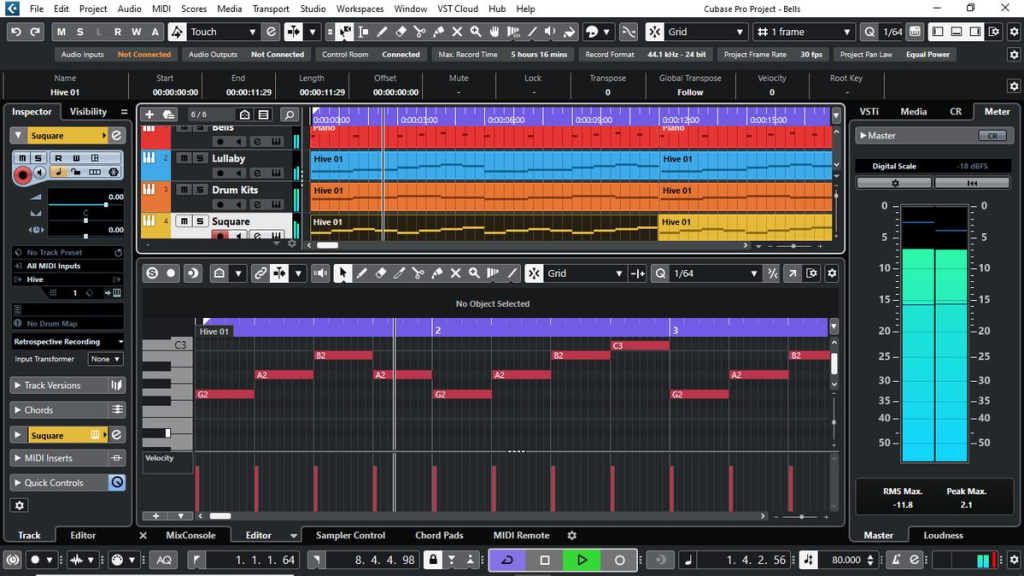
The first step is selecting software that matches your skill level and goals.
Beginners may prefer easy-to-use programs, while professionals may choose advanced tools with detailed customization features.
When selecting software, consider:
- Budget
- Editing needs
- Compatibility
- Learning curve
- Export options
Step 2: Import Your Audio Files
After installing the software, import the audio file you want to edit.
Most platforms support common formats such as:
- MP3
- WAV
- AAC
- FLAC
Always organize files properly before editing to avoid confusion later.
Step 3: Trim and Cut Unwanted Parts
Editing begins with removing unnecessary sections.
This may include:
- Long pauses
- Mistakes
- Background interruptions
- Repeated words
Clean edits create smoother listening experiences.
Step 4: Reduce Background Noise
Background noise often affects audio quality.
Most audio editing software includes noise reduction tools that help remove sounds such as:
- Fan noise
- Traffic sounds
- Echoes
- Microphone hiss
Be careful not to overuse filters because too much reduction can make voices sound unnatural.
Step 5: Adjust Volume Levels
Volume balancing ensures listeners hear everything clearly.
Try to maintain consistent sound throughout the recording. Sudden loud or quiet sections may distract audiences.
Many tools offer automatic loudness adjustments to simplify this process.
Step 6: Add Effects and Enhancements
You can improve sound quality with built-in effects.
Examples include:
- Reverb
- Bass enhancement
- Equalizers
- Compression
- Pitch correction
However, moderation is important. Over-editing may reduce natural sound quality.
Step 7: Export the Final File
After completing edits, save and export the project in the desired format.
For podcasts and online videos, MP3 works well because of smaller file sizes. WAV files offer higher quality but take more storage space.
Always listen to the final version before publishing.
Benefits of Audio Editing Software
Using audio editing software offers many advantages for creators and professionals.
- Improves overall sound quality
- Removes background distractions
- Creates professional-level content
- Saves editing time
- Allows advanced sound customization
- Supports multiple audio formats
- Improves listener engagement
- Helps beginners learn production skills
- Makes podcasts and videos more appealing
- Enables professional music production
For example, podcasters often improve voice clarity using editing tools before releasing episodes.
Disadvantages / Risks
Although useful, audio editing software also has limitations and risks.
- Advanced tools may feel complicated for beginners
- Professional software can be expensive
- Heavy editing may reduce natural sound
- Large files may require strong computer performance
- Learning advanced features takes time
- Incorrect settings can damage audio quality
Understanding these risks helps users avoid frustration during editing.
Common Mistakes to Avoid
Many beginners make mistakes that affect sound quality.
One common mistake is over-editing. Too many filters can make audio sound robotic or unnatural.
Another issue is ignoring background noise during recording. Although software helps reduce noise, prevention is always better.
Using incorrect export settings can also reduce quality. Choosing low bitrates may make recordings sound weak.
Some users forget to save backup copies of projects. Losing edited work can waste hours of effort.
Finally, many beginners rush through editing without checking the final version. Always listen carefully before publishing.
FAQs
1. What is the best audio editing software for beginners?
Beginners usually prefer simple software with easy controls and tutorials. User-friendly interfaces make the learning process faster and less stressful.
Programs with drag-and-drop editing features often work best for first-time users.
2. Is audio editing software expensive?
Not always. Some tools are free, while others require subscriptions or one-time payments.
The best option depends on editing needs and experience level.
3. Can I edit audio on a low-budget computer?
Yes, many lightweight programs work on standard computers.
However, advanced projects with multiple tracks may require better performance.
4. Why is sound quality important?
Good sound creates better audience experiences.
Poor-quality audio often causes listeners to leave content quickly.
Professional sound increases trust and engagement.
5. Can audio editing software remove all noise?
Software can reduce most unwanted sounds, but complete removal is not always possible.
Recording in a quiet environment gives the best results.
6. Do I need experience to use audio editing software?
No. Many beginner-friendly platforms include guides and simple features.
With regular practice, most users improve quickly.
Expert Tips & Bonus Points
If you want better editing results, follow these expert suggestions.
1. Use High-Quality Recordings
Editing works best when original audio quality is good.
2. Wear Headphones While Editing
Headphones help detect background noise and hidden issues.
3. Save Multiple Versions
Always keep backup copies before making major changes.
4. Learn Keyboard Shortcuts
Shortcuts speed up workflow and improve productivity.
5. Avoid Overprocessing
Too many effects may reduce sound quality.
6. Practice Regularly
Audio editing becomes easier with experience.
7. Experiment with Different Tools
Trying multiple programs helps identify the best workflow.
8. Focus on Clear Voice Quality
For podcasts and videos, voice clarity matters more than fancy effects.
Conclusion
Audio editing software has transformed the way people create digital content. From podcasts and music production to online videos and interviews, sound quality plays a major role in audience experience. Today, even beginners can produce professional-quality audio with the help of modern editing tools.
Choosing the right software depends on your needs, experience level, and budget. Some users need simple programs for quick edits, while others require advanced tools for professional production. Regardless of skill level, learning basic editing techniques such as trimming, noise reduction, and volume balancing can dramatically improve results.
Although there are some challenges, such as learning curves and software costs, the benefits often outweigh the drawbacks. Better sound quality improves engagement, builds trust, and creates stronger content overall.
By avoiding common mistakes and following expert tips, anyone can improve their editing skills over time. Practice is the key to success. As technology continues to evolve, audio editing software will likely become even more accessible and powerful, helping creators produce high-quality sound with greater ease.