

Introduction
Digital resources have become an essential part of modern life, shaping how we learn, work, and communicate. From online learning platforms and e-books to cloud storage and software tools, digital resources are everywhere. They make information more accessible, faster to use, and easier to share across the world. In today’s fast-moving digital era, understanding how these resources work is no longer optional; it is a necessity for students, professionals, and businesses alike.
One of the biggest advantages of digital resources is their ability to break barriers. In the past, people had to rely on physical books, manual systems, and limited access to information. Now, everything is just a few clicks away. Whether you are researching a topic, attending a virtual class, or managing a project online, digital tools simplify every task.
This article will guide you through everything you need to know about digital resources, including their importance, benefits, risks, and how to use them effectively in daily life. It is designed for beginners as well as intermediate learners who want to build a strong understanding of the digital world.
What is Digital Resources?
Digital resources refer to any information, tools, or content that exists in digital form and can be accessed using electronic devices such as computers, tablets, or smartphones. These include websites, applications, databases, videos, e-books, online courses, and cloud-based systems.
Unlike traditional resources, digital resources do not require physical storage. Instead, they are stored electronically and can be accessed anytime with an internet connection. This makes them highly flexible and efficient for users across different fields.
In simple terms, digital resources are modern tools that help people find, store, and use information in a faster and more organized way. They are widely used in education, business, healthcare, and entertainment.
Why is Digital Resources Important?
Digital resources play a crucial role in today’s world because they support efficiency, accessibility, and innovation. One of the main reasons they are important is that they provide instant access to a vast amount of information.
Additionally, they help reduce dependency on physical materials. For example, students no longer need to carry heavy books when they can access e-books and online notes from their devices.
Businesses also rely heavily on digital tools to improve productivity and communication. From managing data to conducting virtual meetings, digital resources streamline operations and save time.
Moreover, digital resources promote global connectivity. People from different parts of the world can share knowledge, collaborate on projects, and learn from each other without physical limitations.
Detailed Step-by-Step Guide
Understanding Your Needs
The first step in using digital resources effectively is identifying your purpose. Whether you are a student, professional, or entrepreneur, your needs will determine the type of digital tools you should use.
Choosing the Right Platforms
Once your needs are clear, the next step is selecting reliable platforms. These may include educational websites, productivity apps, or cloud storage services. Always ensure that the platform is secure and user-friendly.
Organizing Digital Information
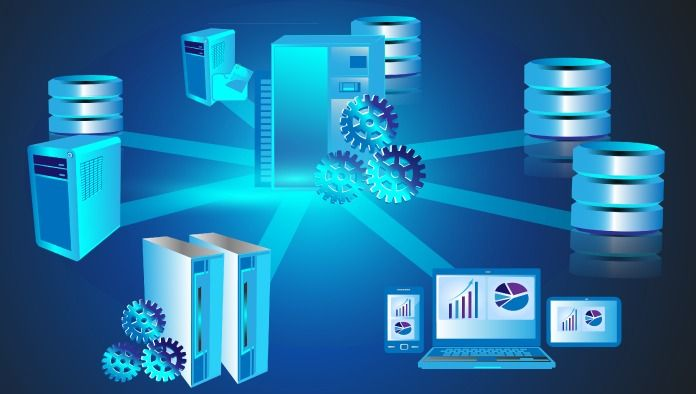
Proper organization is key to managing digital resources efficiently. Create folders, use bookmarks, and categorize your files to avoid confusion and save time.
Learning Basic Digital Skills
To fully benefit from digital resources, you need basic technical skills. These include browsing, downloading, uploading, and using online tools effectively.
Staying Updated
Technology changes quickly. Therefore, it is important to stay updated with the latest digital trends and tools to remain efficient and competitive.
Benefits of Digital Resources
- Easy access to information anytime and anywhere
- Saves time compared to traditional methods
- Improves learning and skill development
- Enhances productivity in work and business
- Reduces the need for physical storage
- Supports remote learning and remote work
- Encourages collaboration across global teams
Disadvantages / Risks
- Overdependence on technology can reduce manual skills
- Security risks such as hacking and data theft
- Requires internet access for full functionality
- Can cause distractions if not used properly
- Technical issues may interrupt work or learning
Common Mistakes to Avoid
Many users make mistakes when using digital resources, which reduces their effectiveness. One common mistake is not verifying the credibility of information. Not all online sources are reliable, so it is important to check authenticity.
Another mistake is poor organization of digital files. Without proper structure, it becomes difficult to find important information when needed.
Overusing digital tools without breaks can also lead to fatigue and reduced productivity. Balancing screen time is essential for maintaining efficiency.
Lastly, ignoring security measures such as strong passwords and backups can lead to data loss or cyber threats.
FAQs
1. What are digital resources used for?
Digital resources are used for accessing information, learning, communication, and managing tasks efficiently in digital form.
2. Are digital resources free?
Some digital resources are free, such as open websites and public tools, while others like premium software or courses require payment.
3. How do digital resources help students?
They help students by providing online learning materials, video lectures, and quick access to study content anytime.
4. Can digital resources replace traditional learning?
They cannot fully replace traditional learning but significantly enhance it by making education more flexible and accessible.
5. What devices are needed for digital resources?
You can use smartphones, laptops, tablets, or any device with internet access.
6. Are digital resources safe to use?
Yes, but only if proper security measures like antivirus software and safe browsing practices are followed.
Expert Tips & Bonus Points
To get the most out of digital resources, always focus on quality over quantity. Choose trusted platforms instead of random websites. Organize your digital workspace regularly to maintain efficiency.
Another useful tip is to combine multiple tools for better results. For example, using cloud storage with productivity apps can improve workflow significantly.
Also, practice digital discipline. Set specific times for work and avoid unnecessary distractions from social media or unrelated websites.
Conclusion
Digital resources have transformed the way people interact with information and technology. They offer speed, convenience, and accessibility that traditional methods cannot match. From education to business, every sector benefits from their use.
However, like any tool, digital resources must be used wisely. Proper organization, security awareness, and balanced usage are key to maximizing their benefits. As technology continues to evolve, digital resources will become even more advanced and essential in everyday life.
Understanding and mastering these tools today will help you stay prepared for the future digital world, where efficiency and adaptability are more important than ever.