
Introduction
System cleaner tools are essential software solutions designed to improve computer performance by removing unnecessary files, optimizing system resources, and maintaining overall health. In today’s digital age, every computer accumulates junk files, temporary data, cache, and unused registry entries over time. These elements slow down the system and reduce efficiency. System cleaner tools help users clean and optimize their devices without needing advanced technical skills.
For beginners and intermediate users, understanding how system cleaner tools work can make a huge difference in daily computing experience. Whether you use your computer for work, gaming, or browsing, performance optimization is important for smooth operation. These tools not only speed up your system but also improve storage management and reduce system errors. As a result, your device runs faster, smoother, and more reliably.
In this guide, we will explore what system cleaner tools are, why they are important, how to use them, their benefits, risks, common mistakes, and expert tips to get the best performance from your PC.
What is System Cleaner Tools?
System cleaner tools are software applications designed to scan, identify, and remove unnecessary files from a computer system. These files may include temporary internet files, cache data, system logs, duplicate files, and leftover software data.
The main purpose of system cleaner tools is to optimize system performance and free up storage space. They also help in fixing minor system issues that may slow down your computer. Some advanced tools also offer registry cleaning, startup management, and real-time performance monitoring.
These tools are widely used in both personal and professional environments because they simplify system maintenance. Instead of manually searching for junk files, users can rely on automated cleaning processes.
Why is System Cleaner Tools Important?
System cleaner tools play a crucial role in maintaining computer health and efficiency. Over time, systems naturally slow down due to data buildup and fragmented files. Without proper cleaning, users may experience lagging, freezing, and slow startup times.
Another important reason is storage optimization. Many users run out of storage space without realizing that junk files occupy a large portion of their disk. System cleaner tools help recover this space quickly.
They are also important for improving system stability. By removing corrupted or unnecessary files, these tools reduce the chances of software conflicts and errors. In addition, they enhance privacy by clearing browsing history and temporary online data.
Overall, system cleaner tools ensure that your computer remains fast, secure, and efficient.
Detailed Step-by-Step Guide
Step 1: Install a System Cleaner Tool
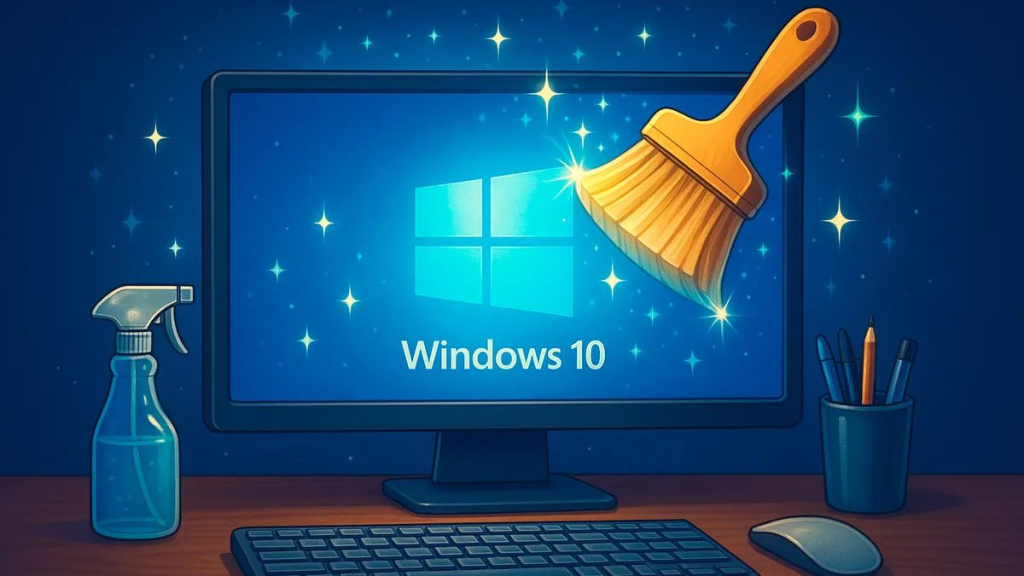
Choose a reliable system cleaner tool and install it on your computer. Ensure it is compatible with your operating system.
Step 2: Run Initial System Scan
After installation, run a full system scan. The tool will analyze junk files, cache, and unused data.
Step 3: Review Detected Files
Check the list of detected files before cleaning. Most tools allow you to select or deselect items.
Step 4: Start Cleaning Process
Click the clean button to remove unnecessary files. The tool will automatically optimize your system.
Step 5: Optimize Startup Programs
Disable unnecessary startup programs to improve boot time and system speed.
Step 6: Schedule Regular Cleaning
Set automatic cleaning schedules to maintain performance consistently.
Benefits of System Cleaner Tools
- Improves overall system performance
- Frees up valuable storage space
- Enhances system speed and responsiveness
- Reduces system errors and crashes
- Improves startup and shutdown time
- Enhances privacy by removing browsing data
- Helps maintain long-term system health
Disadvantages / Risks
- Some tools may remove important files if not used carefully
- Over-cleaning can affect system performance
- Free versions may contain ads or limitations
- Poor-quality tools may slow down the system instead of improving it
- Registry cleaning can cause issues if done incorrectly
Common Mistakes to Avoid
One common mistake is relying too heavily on system cleaner tools without manual checks. Users often allow automatic cleaning without reviewing files, which can lead to accidental deletion of important data.
Another mistake is using multiple cleaner tools at the same time. This can cause software conflicts and reduce system stability.
Many users also forget to update their cleaning software, which results in outdated optimization methods. Lastly, ignoring backups before deep cleaning can lead to permanent data loss.
FAQs
1. What are system cleaner tools used for?
System cleaner tools are used to remove junk files, optimize performance, and free up storage space on computers.
2. Are system cleaner tools safe to use?
Yes, they are safe when used correctly. However, users should always review files before cleaning.
3. Do system cleaner tools speed up computers?
Yes, they improve speed by removing unnecessary data and optimizing system processes.
4. Can system cleaner tools delete important files?
If misused, they may delete important files. That is why manual review is important.
5. How often should I use system cleaner tools?
It is recommended to use them once or twice a week depending on system usage.
6. Do system cleaner tools work on all computers?
Most tools are compatible with Windows, macOS, and sometimes mobile systems.
Expert Tips & Bonus Points
Always choose a trusted and well-reviewed system cleaner tool to avoid security risks. Regularly update your software to get the latest optimization features.
Avoid unnecessary deep registry cleaning unless you are experienced. Instead, focus on basic cleaning tasks like cache removal and temporary file deletion.
It is also recommended to combine system cleaner tools with antivirus software for better performance and security. Scheduling automatic cleanups can save time and keep your system consistently optimized.
Conclusion
System cleaner tools are powerful solutions for maintaining computer performance and ensuring long-term system health. They help users remove junk files, free up storage, and improve overall speed with minimal effort. For beginners and intermediate users, these tools offer a simple way to keep systems running smoothly without advanced technical knowledge.
As computers accumulate unnecessary data over time, performance naturally declines. System cleaner tools solve this problem by automating the cleaning process and optimizing system resources. However, users must use them carefully and avoid over-cleaning or deleting important files.
By choosing reliable software, scheduling regular cleanups, and following best practices, users can significantly enhance their computing experience. Whether for personal or professional use, system cleaner tools are an essential part of modern digital maintenance. They not only improve speed but also ensure stability, efficiency, and better system performance in the long run.