
Introduction
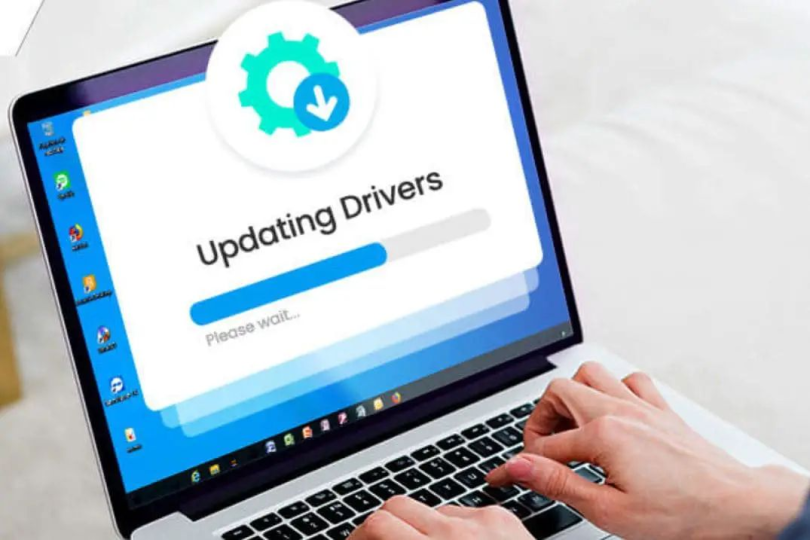
Keeping your computer running smoothly depends on many hidden components working correctly in the background. One of the most important of these is device drivers. A Driver Updater is a tool designed to automatically detect outdated, missing, or corrupted drivers and replace them with the latest versions. Without proper driver management, your system may slow down, crash, or fail to recognize hardware like printers, graphics cards, or audio devices.
In today’s fast-paced digital world, users expect their systems to perform efficiently without spending hours manually updating drivers. This is where a Driver Updater becomes useful. It simplifies the process, saves time, and reduces the risk of installing incorrect drivers. However, understanding how these tools work is essential before using them.
This article explains everything about Driver Updater tools, including their importance, benefits, risks, and how to use them effectively. Whether you are a beginner or an intermediate user, this guide will help you understand how driver management impacts your computer’s performance and stability.
What is Driver Updater?
A Driver Updater is a software application that scans a computer system to identify outdated or missing drivers and automatically installs updated versions. Drivers are essential software components that allow the operating system to communicate with hardware devices such as graphics cards, keyboards, printers, and network adapters.
Without updated drivers, hardware may not function properly or may deliver poor performance. A Driver Updater helps eliminate manual searching and installation by providing a centralized solution.
Most Driver Updater tools work by comparing installed drivers with a large online database. When a mismatch or outdated version is found, the software downloads and installs the correct update. This ensures that hardware remains compatible with the latest operating system updates and applications.
In simple terms, a Driver Updater acts as a maintenance assistant for your computer, ensuring all hardware components work efficiently together without conflicts or errors.
Why is Driver Updater Important?
A Driver Updater is important because it helps maintain system stability, performance, and security. Outdated drivers can lead to system crashes, slow performance, and even hardware malfunction.
Modern operating systems are constantly updated, and hardware manufacturers also release new driver versions to improve compatibility and fix bugs. Without a proper update system, users may miss these critical improvements.
Another important reason is convenience. Manually updating drivers can be time-consuming and confusing, especially for beginners. A Driver Updater simplifies this process by automating it.
Additionally, updated drivers often improve gaming performance, audio quality, and internet connectivity. For professionals who rely on stable systems, using a Driver Updater ensures fewer interruptions and better productivity.
Detailed Step-by-Step Guide
Step 1: Install Driver Updater Software
First, download and install a reliable Driver Updater tool on your computer. Make sure it is from a trusted source to avoid unwanted software.
Step 2: Run a Full System Scan
Once installed, launch the software and start a full system scan. The Driver Updater will analyze all installed drivers and compare them with its database.
Step 3: Review Outdated Drivers
After scanning, the tool will display a list of outdated or missing drivers. Carefully review this list before proceeding.
Step 4: Create a Backup
Before updating, it is recommended to create a backup of existing drivers. This helps restore previous versions if something goes wrong.
Step 5: Update Drivers
Click on the update button to install the latest versions. The Driver Updater will automatically download and install the required files.
Step 6: Restart Your System
After updates are complete, restart your computer to apply changes properly. This ensures all drivers function correctly.
Benefits of Driver Updater
- Saves time by automating driver updates
- Improves system performance and speed
- Reduces hardware compatibility issues
- Enhances gaming and multimedia experience
- Prevents system crashes caused by outdated drivers
- Keeps system updated with latest manufacturer improvements
- Simplifies technical maintenance for beginners
Disadvantages / Risks
- Some tools may install unnecessary or incorrect drivers
- Free versions may have limited features
- Risk of downloading unreliable software from unsafe sources
- Over-updating drivers can sometimes cause system instability
- Dependency on third-party software for system maintenance
Common Mistakes to Avoid
Many users make mistakes while using a Driver Updater. One common mistake is blindly updating all drivers without checking details. Not all updates are necessary at the same time.
Another mistake is using untrusted or unknown software. This can lead to malware or unwanted programs being installed on the system.
Users also forget to create backups before updating drivers. This can cause problems if a new driver is incompatible.
Lastly, some users run updates too frequently, which is unnecessary and may cause system conflicts. Using a Driver Updater wisely is important for long-term system health.
FAQs
1. What is a Driver Updater used for?
A Driver Updater is used to scan, detect, and update outdated or missing drivers on a computer system. It helps improve performance and stability.
2. Is Driver Updater safe to use?
Yes, it is safe if you use trusted and reputable software. Always avoid unknown sources to reduce security risks.
3. Can Driver Updater improve gaming performance?
Yes, updated drivers, especially graphics drivers, can significantly improve gaming performance and reduce lag.
4. Do I need a Driver Updater if Windows updates drivers?
Windows updates some drivers, but a Driver Updater can provide more complete and faster updates from multiple hardware manufacturers.
5. How often should I use a Driver Updater?
Using it once a month or after major system updates is usually enough for most users.
6. Can Driver Updater fix hardware problems?
It can fix issues caused by outdated drivers, but it cannot repair physically damaged hardware.
Expert Tips & Bonus Points
Always choose a Driver Updater that includes backup and restore features. This ensures safety during updates.
Avoid installing driver updates during important work sessions to prevent interruptions.
Keep your operating system updated alongside driver updates for better compatibility.
It is also a good practice to check release notes of major driver updates, especially for graphics and network drivers.
For best performance, combine manual checking with automated tools instead of relying fully on automation.
Conclusion
A Driver Updater is a powerful tool that helps users maintain system performance, stability, and compatibility without the complexity of manual updates. In today’s digital environment, where hardware and software evolve rapidly, keeping drivers updated is essential for smooth computing experience.
By using a Driver Updater, users can save time, reduce technical difficulties, and ensure their devices function at optimal performance. However, it is equally important to choose reliable software and use it carefully to avoid unnecessary risks.
Understanding how drivers work and how updates impact system behavior gives users better control over their computers. Whether for gaming, work, or everyday use, updated drivers play a crucial role in system efficiency. With the right approach, a Driver Updater becomes not just a tool, but a long-term maintenance solution for any computer system.